
Common pawpaw
Asimina triloba
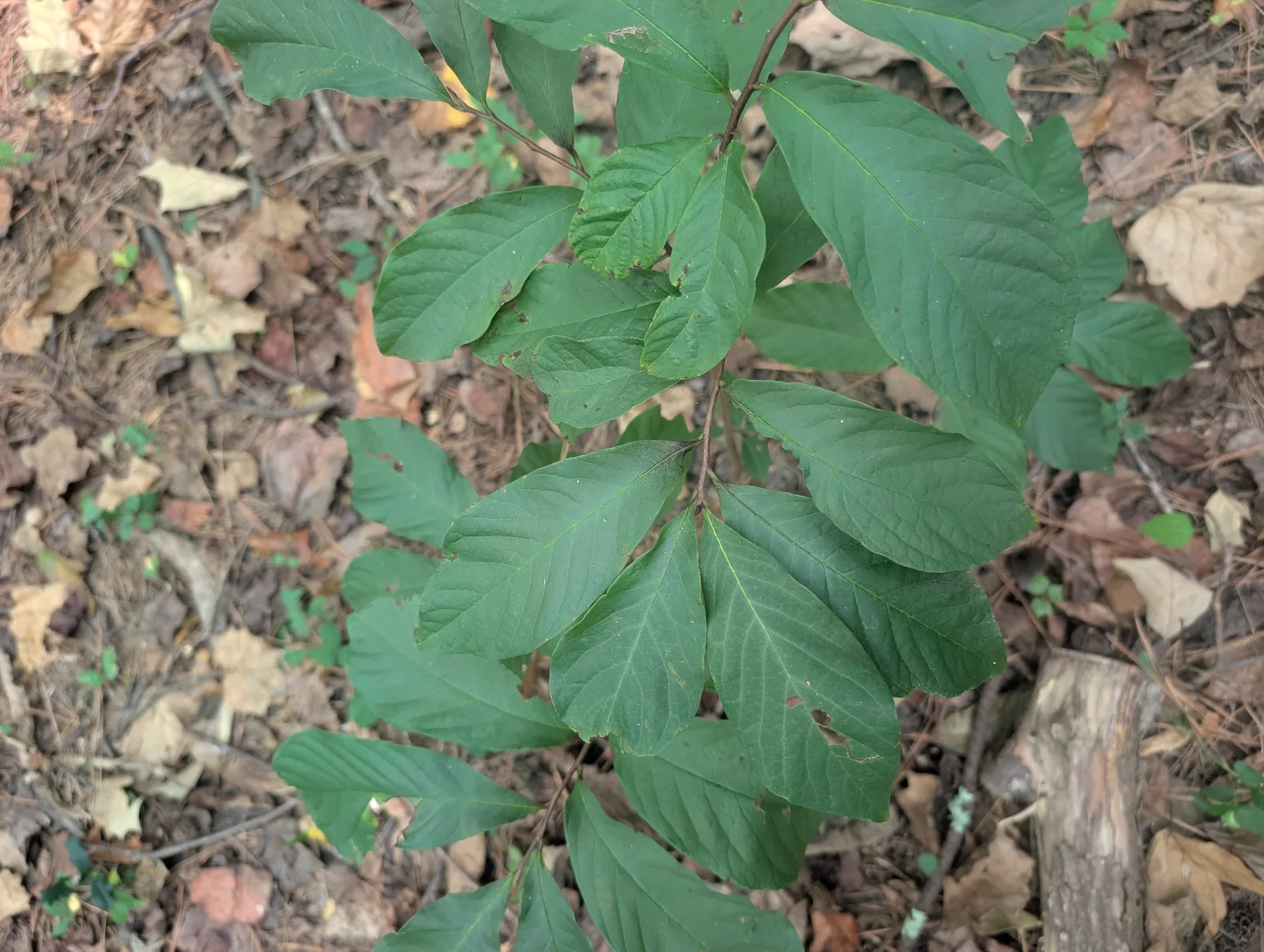
- Blooms
- April to May
- Family
- Annonaceae
Serves as a host for the Zebra swallowtail butterfly (Eurytides marcellus) as well as several moth species, including the Spotted Apatelodes Moth, Asimina Webworm Moth, Pawpaw Sphinx Moth, and Speckled Talponia Moth.
Pawpaw is a flowering tree that attracts butterflies, pollinators, small mammals, and songbirds, which makes it a good addition to a butterfly, pollinator, or rain garden. Pawpaw is an important food source for Zebra swallowtail (Eurytides marcellus) larvae. Flies and beetles are beneficial pollinators attracted to the fetid odor of flowers. It is native to eastern North America, where it grows in deep shade to full sunlight in moist, nutrient-rich forests. It will tolerate occasional wet or moist conditions but prefers good drainage and acidic soil. The species epithet is Latin and means "three-lobed," referring to the fruits, which may have one to five lobes, each of which ripens as a separate berry.
Pawpaws are most fruitful in full sun, although they will also grow in dappled sun or partial shade. They like moisture-retentive soils but not permanently wet soil. Once established, they look after themselves with little or no effort from the gardener. (From the North Carolina Extension)
Where to see it
Learn more
- Common pawpaw on iNaturalist ↗ (opens in a new tab) · photos and range maps
- Common pawpaw on USDA PLANTS ↗ (opens in a new tab) · the federal plant profile